For several years, video games have been evolving beyond mere sources of entertainment; some becoming full-fledged narrative experiences that emulate the immersion and engagement of your favorite books and movies. One such gem that manages to extend this evolution while also retaining its traditional gamer roots is “The Dream Machine.” This point-and-click indie adventure, crafted primarily from clay and cardboard, taps into the surreal world of dreams, making for a distinctive and captivating gaming experience.
A Brief Overview
Developed by the Swedish studio Cockroach Inc., “The Dream Machine” is a six-chapter indie game released episodically from 2010 until its conclusion in 2017. Unlike traditional digital game art, the game creators went for a handmade aesthetic, bringing the game to life using clay models and other tangible materials. The result is a game that looks and feels like a meticulous stop-motion film.
Set primarily in dreams, the game presents players with engaging puzzles, requiring them to navigate through various intricate dreamscapes. Each chapter presents unique settings and puzzles, reflecting the dreams—or nightmares—of different characters you encounter within an apartment complex.
Into the Dreamscape
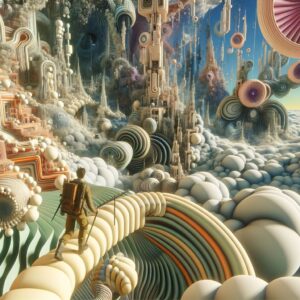
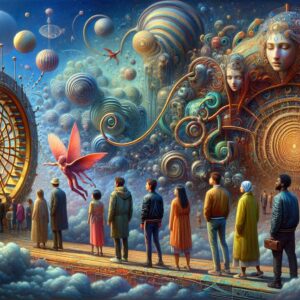
What sets “The Dream Machine” apart is its setting. The game explores various dreamscapes—each presenting distinct challenges and puzzles—one might even say that navigating these is a puzzle in itself. The game creators have outdone themselves here, intricately designing each dreamscape to reflect the unconscious mind of the characters, resulting in an authentic and somewhat eerie experience.
While each character has a unique dreamscape, they all hold a common thread—the theme of control and voyeurism. This narrative adds a layer of depth to the game, encouraging players to reflect on their actions and the potential consequences, further enhancing the immersion.
Challenges and Puzzles
Falling under the point-and-click adventure genre, “The Dream Machine” is abundant with cleverly designed puzzles. The game requires logical thinking, problem-solving, and an observant eye to progress through the various dreamscapes.
Each puzzle is carefully integrated within the narrative—resulting not just in an intellectual challenge, but also in discovery and unraveling of the story. Though these puzzles can be demanding, they never feel frustrating or out of place. The satisfaction derived from solving these challenges is immense, marking the game’s great balance of difficulty and enjoyment.
A Visual Treat
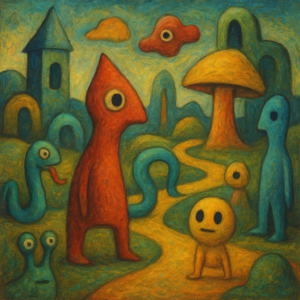
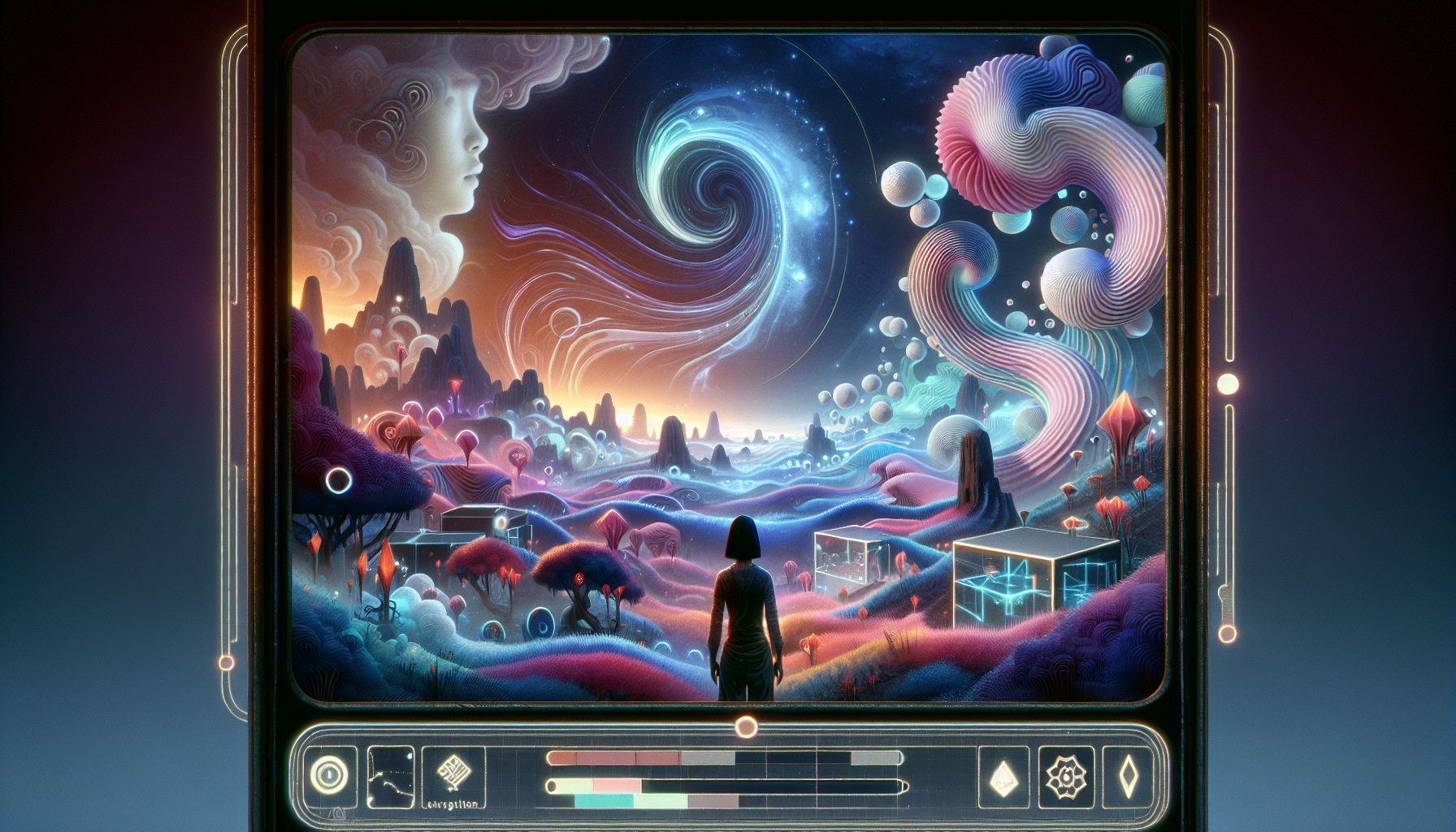
“The Dream Machine” is a visual masterpiece. The unique handmade environment lends the game an enchanting yet moody atmosphere that perfectly complements the surreal nature of dreams. The clay and cardboard models, coupled with the detailed lighting and effects, create an immersive, tangible world that captivates from the first moment.
Coupled with the haunting soundtrack and sound effects, the entire game exudes a dream-like quality that stays with the player long after they’ve finished playing.
Conclusion: Wake Up to the Dream Machine
“The Dream Machine” is an impressive accomplishment, reinventing the point-and-click adventure genre while pushing the boundaries of game design and storytelling. Its unique narrative, engaging puzzles, and stunning visual style hold players captive, delving them into a dreamscape filled with intrigue and mystery.
Whether you’re a hardcore gamer or simply interested in visually striking and intellectually stimulating experiences, “The Dream Machine” proves to be a compelling journey through the human unconscious, exploring dreams, fears, and the ethical dilemma of voyeurism. The game’s blend of surreal imagery, captivating puzzles and layered narratives will linger, much like a dream you can’t quite forget.